
When the weekend rolls around and the craving for something truly delightful strikes, I often find myself reaching for a dish that never fails to impress: Dakgangjeong. Imagine the sound of sizzling, golden-brown chicken pieces being immersed in a sweet and spicy glaze, transforming your kitchen into a bustling Korean street food stall. This isn’t just any fried chicken; it’s a crunchy, sticky bliss that’s perfect for sharing—or keeping all to yourself after a long week.
What I adore about this recipe is its simplicity and versatility. Using bite-sized boneless chicken, which cooks up in no time, you can whip up an incredible snack or appetizer in a matter of minutes. Better yet, it pairs beautifully with a refreshing beverage for the ultimate ChiMaek experience! Whether you’re hosting friends or just treating yourself, Dakgangjeong promises to elevate any occasion. Let’s dive into making this irresistible dish that will have everyone begging for the recipe!
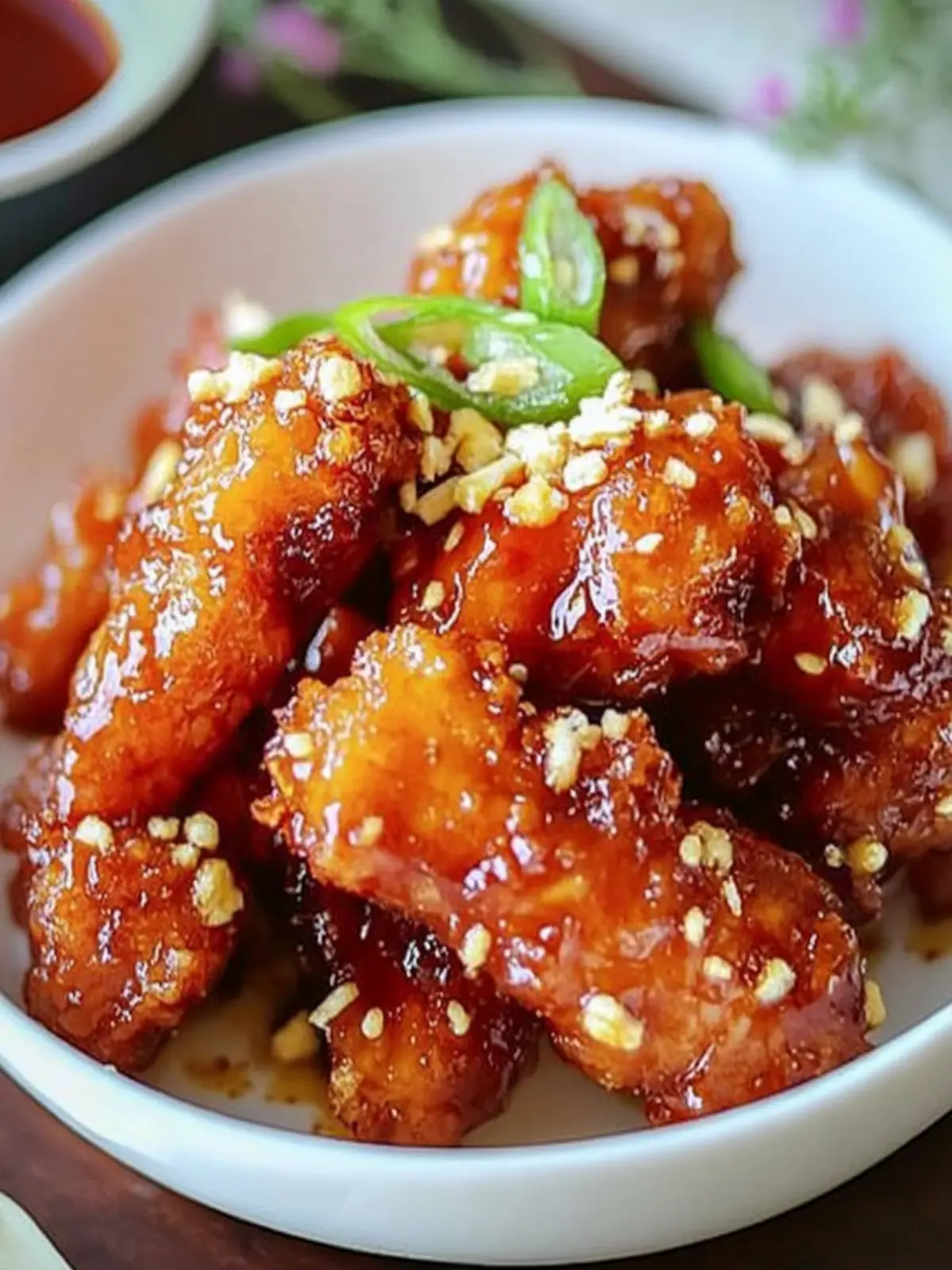
Why is Dakgangjeong a must-try dish?
Irresistible Crunch: This recipe offers that perfect, addictive crunch that fried chicken lovers crave.
Flavor Explosion: The sweet and spicy glaze adds a delightful contrast that awakens your taste buds.
Quick Preparation: With bite-sized chicken pieces, you can have this dish ready in minutes, making it ideal for spontaneous gatherings.
Versatile Enjoyment: Perfect as an appetizer, snack, or even a main course, Dakgangjeong fits any occasion!
Cultural Experience: Bring the vibrant taste of Korean street food to your home and enjoy the ChiMaek tradition with a cold beverage.
Tip: For more creative serving suggestions, consider pairing it with our delicious sides for a complete meal!
Dakgangjeong Ingredients
Get ready to dive into the delightful world of Dakgangjeong with these essential ingredients that will make your cooking experience both rewarding and delicious!
For the Chicken
- Boneless Skinless Chicken Thigh and/or Breast – Choose thighs for juiciness or breasts for a leaner option.
- Milk – Optional, but soaking in milk tenderizes the chicken and helps eliminate any gamey flavors.
- Salt and Pepper – Basic seasonings that enhance the flavor of your chicken and bring out its natural taste.
- Minced Garlic & Ginger – Adds aromatic depth; fresh ingredients provide the best flavor.
- Rice Wine or Cooking Wine – Imparts additional flavor if you decide to skip the milk.
- Potato Starch (or Corn Starch) – Essential for creating that crispy batter; feel free to add more for extra crunch.
For the Sauce
- Soy Sauce – The flavor base that brings umami richness to the dish.
- Cooking Rice Wine (Mirin/Matsul) – Provides sweetness and complexity for the glaze.
- Apple Cider Vinegar – Offers a tangy twist; substitute with other clear vinegars if needed.
- Gochujang (Korean Red Chili Pepper Paste) – The star of the show; gives sweetness and a mild spicy kick (feel free to adjust to taste!).
- Honey or Oligo Syrup – Sweetener for the sauce; corn syrup is a good alternative if necessary.
- Sesame Oil – Adds a nutty aroma that enhances the overall flavor profile.
- Brown Sugar – Balances and deepens the sweetness of the sauce for a perfect finish.
- Additional Minced Garlic & Grated Ginger – Reinforces the sauce’s flavor and adds an extra layer of deliciousness.
- Coarsely Chopped Peanuts or Seeds – An optional crunchy garnish that adds texture to your dish.
With these ingredients in hand, you’re well on your way to creating a memorable Dakgangjeong experience that delights your taste buds and warms your heart! Enjoy the journey of cooking this beloved Korean dish!
How to Make Dakgangjeong
-
Prepare Chicken: Begin by trimming any visible fat from the boneless chicken and cutting it into bite-sized pieces. This helps ensure even cooking and tender bites.
-
Soak in Milk: If you’re using milk, soak the chicken pieces for about 30 minutes. This step is optional but highly encouraged for enhanced tenderness. After soaking, drain the chicken well.
-
Season and Marinate: Season the chicken generously with salt, pepper, minced garlic, grated ginger, and a splash of rice wine. Let it marinate for 20-30 minutes, allowing the flavors to penetrate.
-
Make the Sauce: In a pan, combine all the sauce ingredients: soy sauce, mirin, apple cider vinegar, gochujang, honey, sesame oil, brown sugar, and the additional garlic and ginger. Bring this mixture to a gentle boil, then simmer for 3-4 minutes until it thickens slightly. Turn off the heat.
-
Coat Chicken: Evenly coat each marinated chicken piece with potato starch. Ensure they are fully coated; this will give them that signature crispy texture when fried.
-
Heat Oil: In a deep pot, heat oil to 330°F (165°C). Fry the chicken pieces in batches for about 3 minutes or until they’re golden brown. Remove them from the pot and drain on paper towels.
-
Double Fry: To achieve the ultimate crispiness, reheat the oil and deep fry the chicken again for an additional 1-2 minutes. This step makes all the difference for that coveted crunchy texture.
-
Toss in Sauce: Briefly reheat the sauce, then add the fried chicken pieces directly into the pan. Toss well to coat each piece thoroughly with the sticky glaze.
Optional: Garnish with coarsely chopped peanuts or seeds for added crunch and flavor balance.
Exact quantities are listed in the recipe card below.
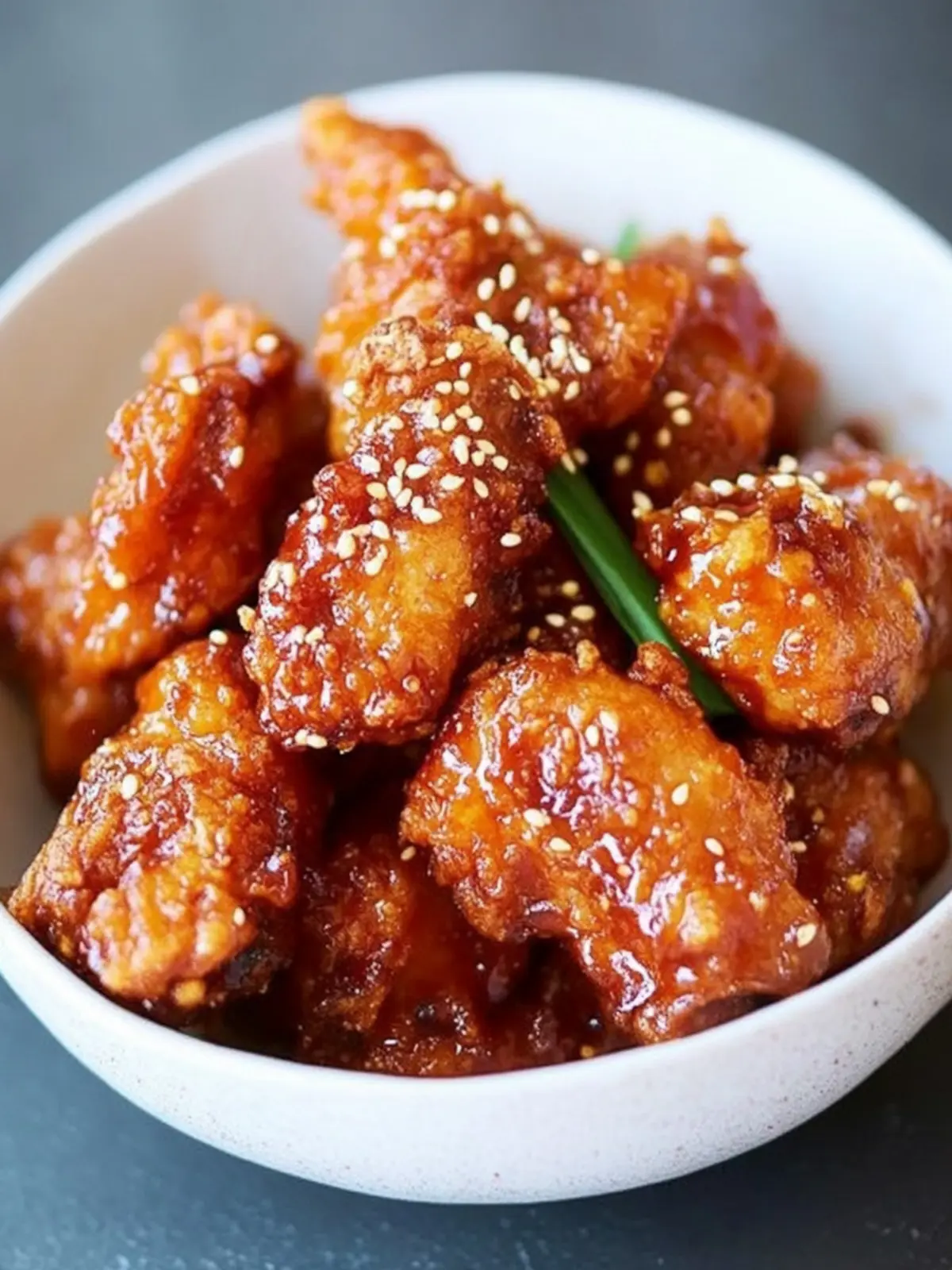
Dakgangjeong Variations & Substitutions
Explore exciting twists to make Dakgangjeong uniquely yours while enjoying various flavors and textures!
-
Gluten-Free: Use gluten-free soy sauce and potato starch for a deliciously crispy dish compatible with dietary needs.
-
Vegetarian Delight: Substitute chicken with cauliflower florets or tofu for a hearty meatless option that still delivers crunch.
-
Spicy Kick: Increase the heat by adding more gochujang or mix in gochugaru for an extra layer of spice that will set taste buds dancing.
-
Crispy Coating: Swap potato starch for seasoned breadcrumbs for a crunchy texture that brings a new dimension to each bite.
-
Citrusy Twist: Add a splash of orange juice or zest to the sauce for a refreshing citrus note that complements the sweet and spicy flavors beautifully.
-
Nutty Flavor: Incorporate crushed almonds or walnuts into your garnish for an earthy crunch that elevates the dish even more.
-
Savoury Glaze: Replace honey with maple syrup or agave for a different sweetness that offers its own unique flavor profile to the glaze.
-
Crunchy Garnish: Instead of peanuts, consider using fried shallots or crispy onions for an unexpected yet delightful topping that adds richness and texture.
What to Serve with Dakgangjeong?
Pair your crispy bites of joy with these delicious options that enhance the flavors of Dakgangjeong and create a complete meal experience.
-
Creamy Coleslaw: Bright and crunchy, coleslaw adds a refreshing contrast to the sticky glaze. Its creamy texture balances the spicy sweetness perfectly.
-
Garlic Fried Rice: The fragrant notes of garlic fried rice complement the rich flavors in Dakgangjeong, creating a delightful harmony on your plate.
-
Korean Pickled Vegetables: A tangy side will cut through the richness of the chicken, offering a refreshing contrast with every bite.
-
Steamed Vegetable Medley: A simple mix of steamed broccoli, carrots, and snap peas can provide a light counterpart, adding a burst of color and nutrients to your meal.
-
Sweet Potato Fries: Crispy sweet potato fries add a touch of sweetness and a different texture that pairs wonderfully with the savory chicken.
-
Cold Beer or Soju: Enjoy this dish the traditional way with a cold beer or refreshing soju. Both drinks enhance the flavors while adding a festive vibe to any gathering.
For a delightful spread, combine several of these sides, and watch as everyone eagerly dives into this Korean feast!
How to Store and Freeze Dakgangjeong
-
Room Temperature: Best enjoyed immediately for optimal crispiness; if served at room temperature, consume within 1 hour.
-
Fridge: Store leftover Dakgangjeong in an airtight container for up to 3 days. To keep the chicken from becoming soggy, store the sauce separately until ready to serve.
-
Freezer: Freeze cooled chicken pieces in a single layer on a baking sheet, then transfer to a freezer-safe bag for up to 2 months. Reheat directly from frozen for best results.
-
Reheating: For that lovable crunch, reheat by deep frying the chicken again for 2-3 minutes or popping it in an air fryer until crispy. Enjoy your Dakgangjeong as if it were freshly made!
Expert Tips for Dakgangjeong
-
Perfect Temperature: Always maintain the oil temperature around 330°F (165°C) for the best frying results. If the oil is too hot, the chicken will burn; too cold, and it will become greasy.
-
Double Frying Magic: Remember, double frying is essential for achieving that coveted crispy texture in your Dakgangjeong. Don’t skip this step!
-
Mind the Batches: Avoid overcrowding the frying pan. Fry the chicken in small batches to ensure they cook evenly and achieve maximum crunchiness.
-
Coating Consistency: Ensure each chicken piece is evenly coated in potato starch before frying; this creates an incredible crispy layer.
-
Flavor Adjustments: Feel free to adjust the gochujang in the sauce for your spice preference. Start with less if you’re unsure, and gradually add until it reaches your desired heat level.
-
Sauce Timing: Toss the fried chicken in the sauce right before serving. This guarantees that the coating remains crispy while allowing it to soak up the sweet and spicy flavors!
Make Ahead Options
Dakgangjeong is a fantastic choice for meal prep, allowing you to enjoy this delicious dish even on the busiest of nights! You can marinate the chicken up to 24 hours in advance, storing it in the refrigerator to deepen the flavors. Additionally, the sauce can be prepared ahead and kept for up to 3 days in an airtight container. To maintain quality, keep the fried chicken separate from the sauce until you’re ready to serve, ensuring it stays crispy. When it’s time to enjoy your Dakgangjeong, simply fry the marinated chicken and toss it in the reheated sauce for that restaurant-quality touch with minimal effort!
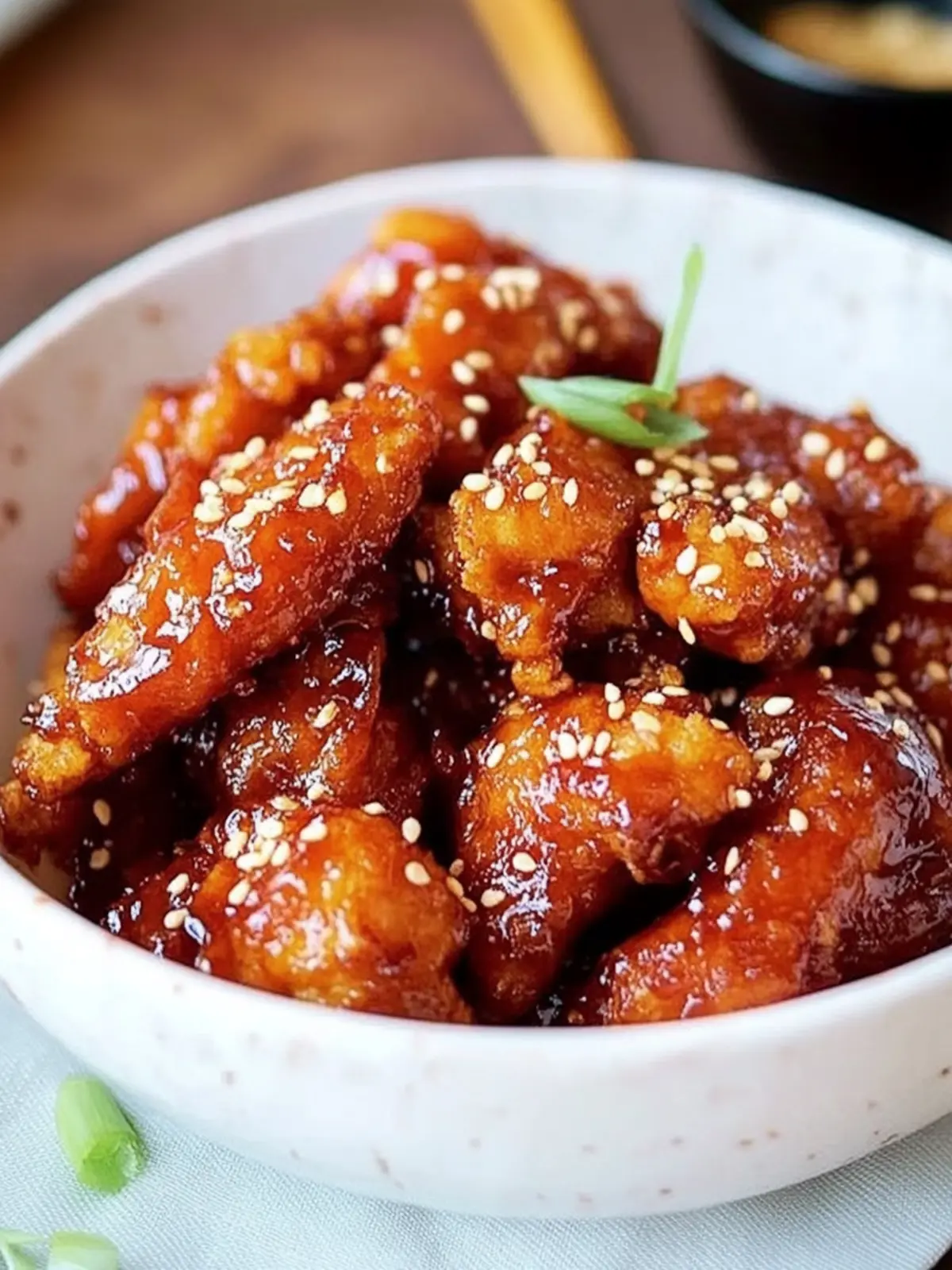
Dakgangjeong (Sweet Crispy Korean Fried Chicken) Recipe FAQs
How do I choose the best chicken for Dakgangjeong?
Absolutely! For Dakgangjeong, I recommend boneless skinless chicken thighs for their juiciness and flavor. If you prefer a leaner option, boneless skinless chicken breasts are great too. Whichever you choose, ensure the chicken pieces are fresh, with no dark spots or unpleasant odors.
How should I store leftover Dakgangjeong?
For best results, store leftover Dakgangjeong in an airtight container, separating the sauce from the chicken. This keeps the chicken crispy for up to 3 days in the fridge. When you’re ready to enjoy it again, simply reheat by frying it lightly to regain that delectable crunch!
Can Dakgangjeong be frozen?
Certainly! To freeze Dakgangjeong, first cool the chicken pieces completely. Then, arrange them in a single layer on a baking sheet and freeze for 1-2 hours. Once frozen, transfer them to a freezer-safe bag. They can stay good for up to 2 months. When ready to eat, reheat directly from frozen using an air fryer or deep fryer for the best texture!
What do I do if my chicken isn’t crispy?
Very! If your Dakgangjeong doesn’t turn out crispy, it could be due to the oil temperature being too low or overcrowding the pan during frying. Ensure the oil is heated to about 330°F (165°C) and fry in batches to allow proper space for each piece. Double-frying is also key—don’t skip that step to achieve the perfect crunch!
Are there any dietary considerations for Dakgangjeong?
Yes! If you’re serving Dakgangjeong to anyone with gluten sensitivities, be sure to use gluten-free soy sauce and starch. Additionally, if you’re adjusting for spice levels, consider replacing gochujang with ketchup for a milder flavor. Always be mindful of any allergies or dietary restrictions when preparing this dish!

Crispy Dakgangjeong: The Must-Try Korean Fried Chicken Delight
Ingredients
Equipment
Method
- Trim visible fat from the boneless chicken and cut it into bite-sized pieces.
- If using milk, soak the chicken pieces for about 30 minutes, then drain.
- Season chicken with salt, pepper, minced garlic, grated ginger, and rice wine. Marinate for 20-30 minutes.
- In a pan, combine sauce ingredients and bring to a gentle boil. Simmer for 3-4 minutes until thickened.
- Coat marinated chicken pieces with potato starch.
- Heat oil to 330°F (165°C). Fry chicken pieces in batches for about 3 minutes until golden brown.
- Double fry the chicken for an additional 1-2 minutes for extra crispiness.
- Reheat the sauce and toss the fried chicken in it right before serving.